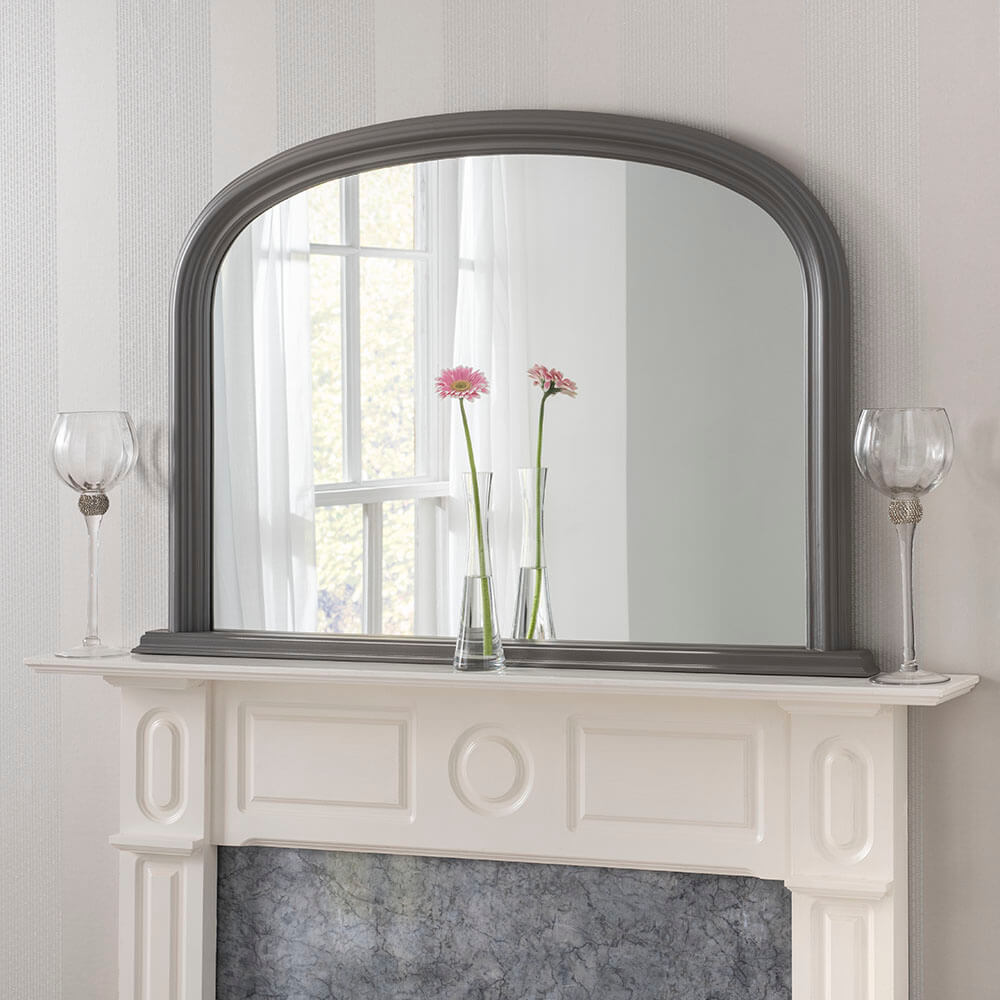
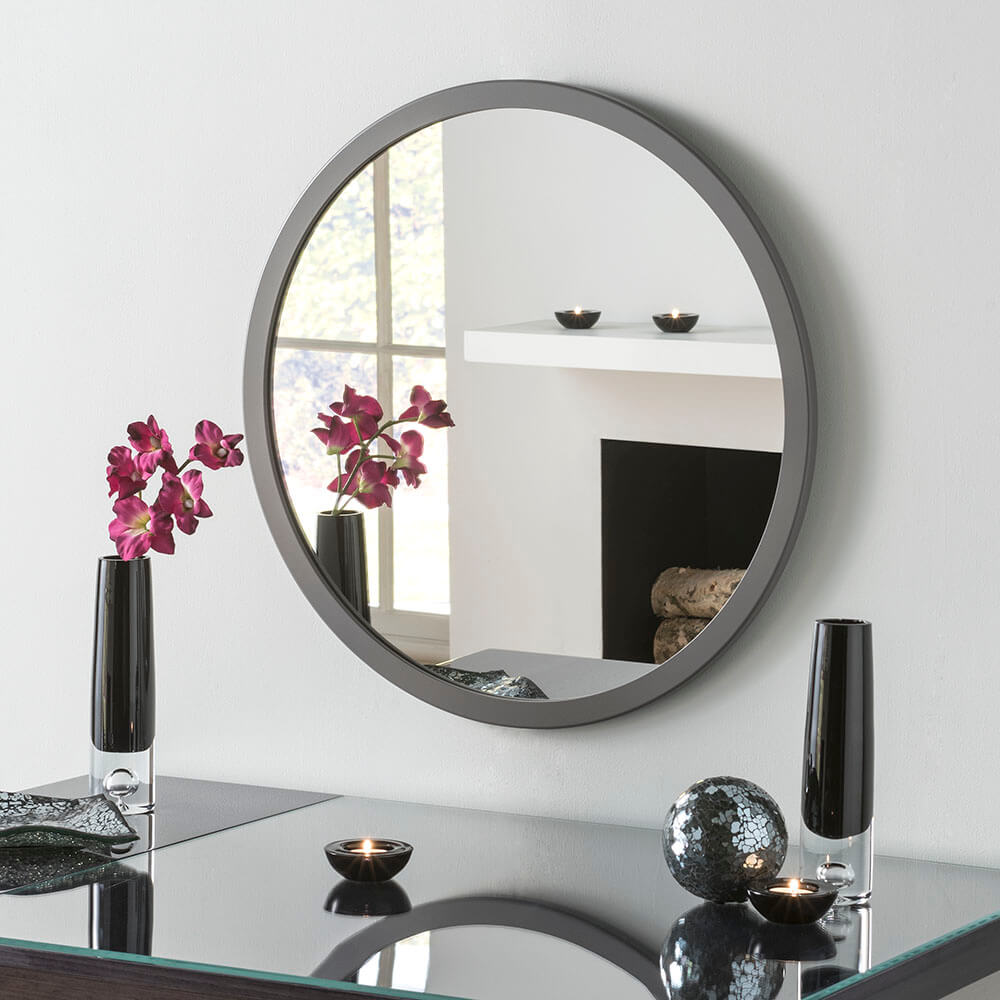
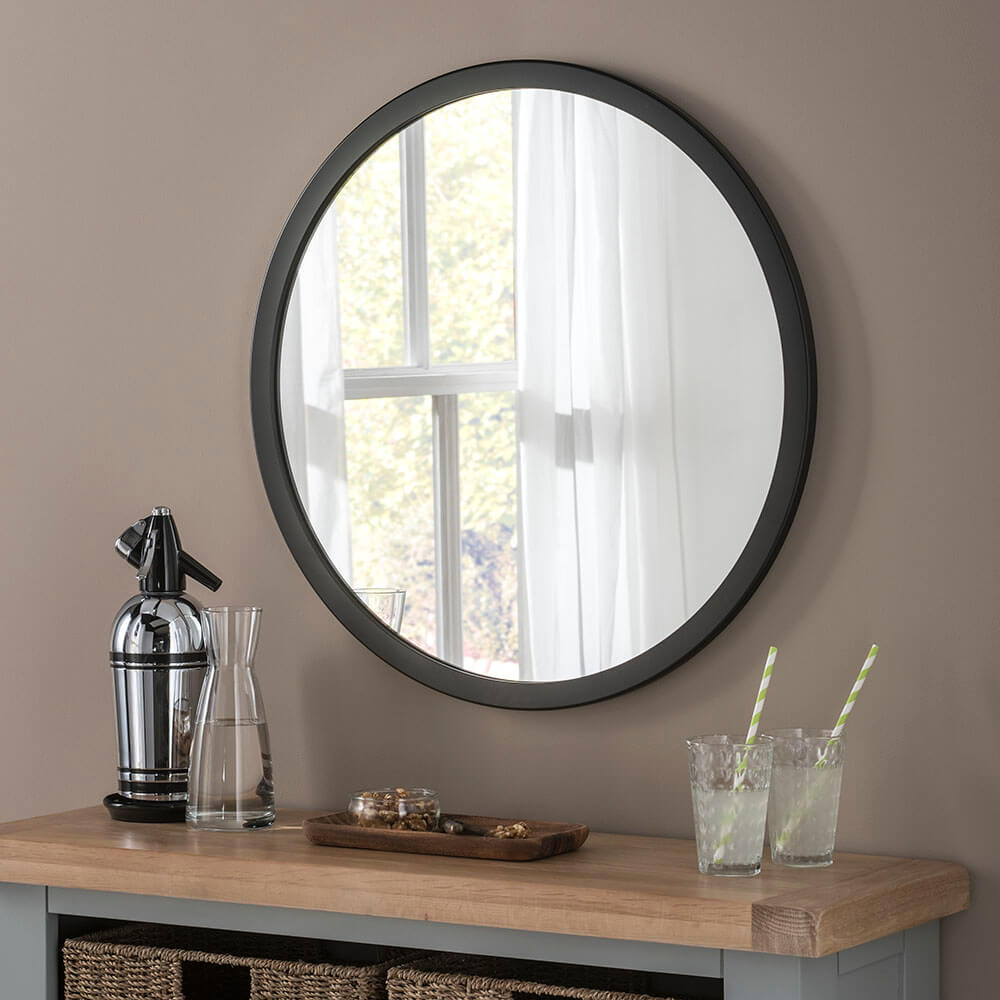
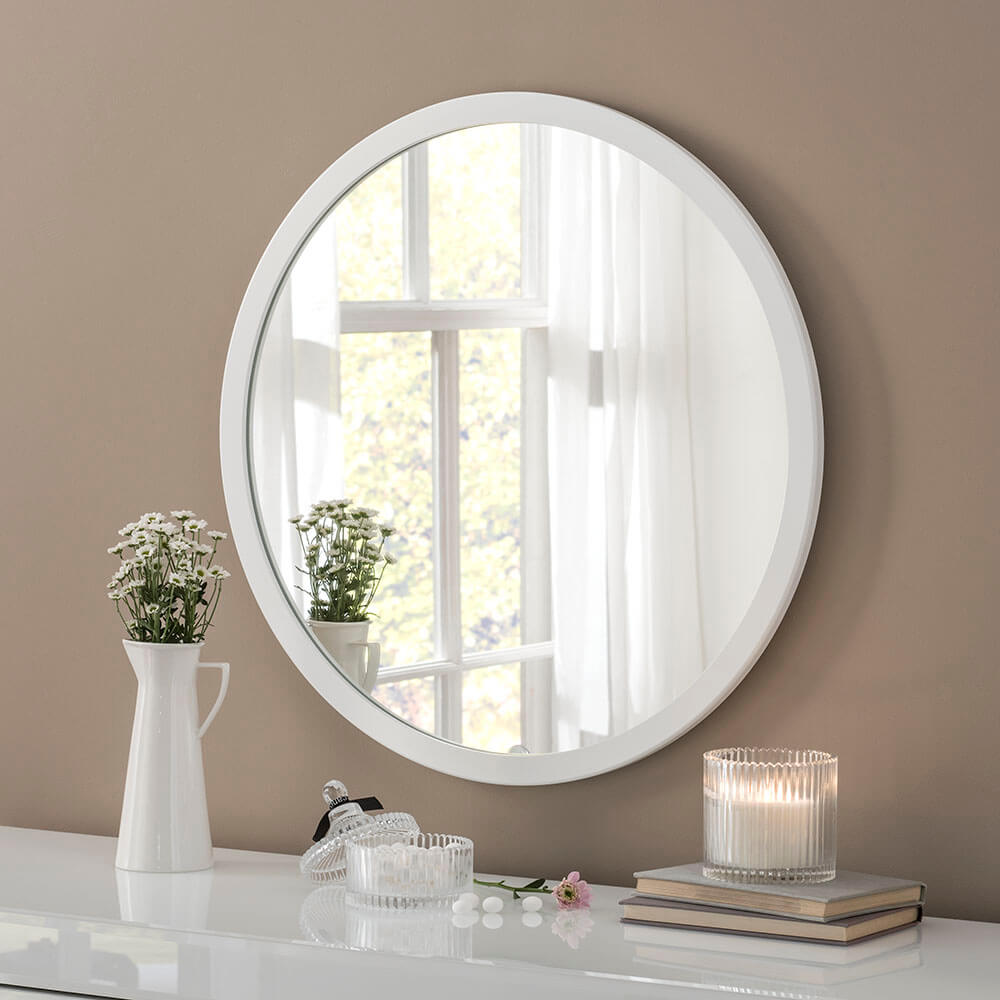
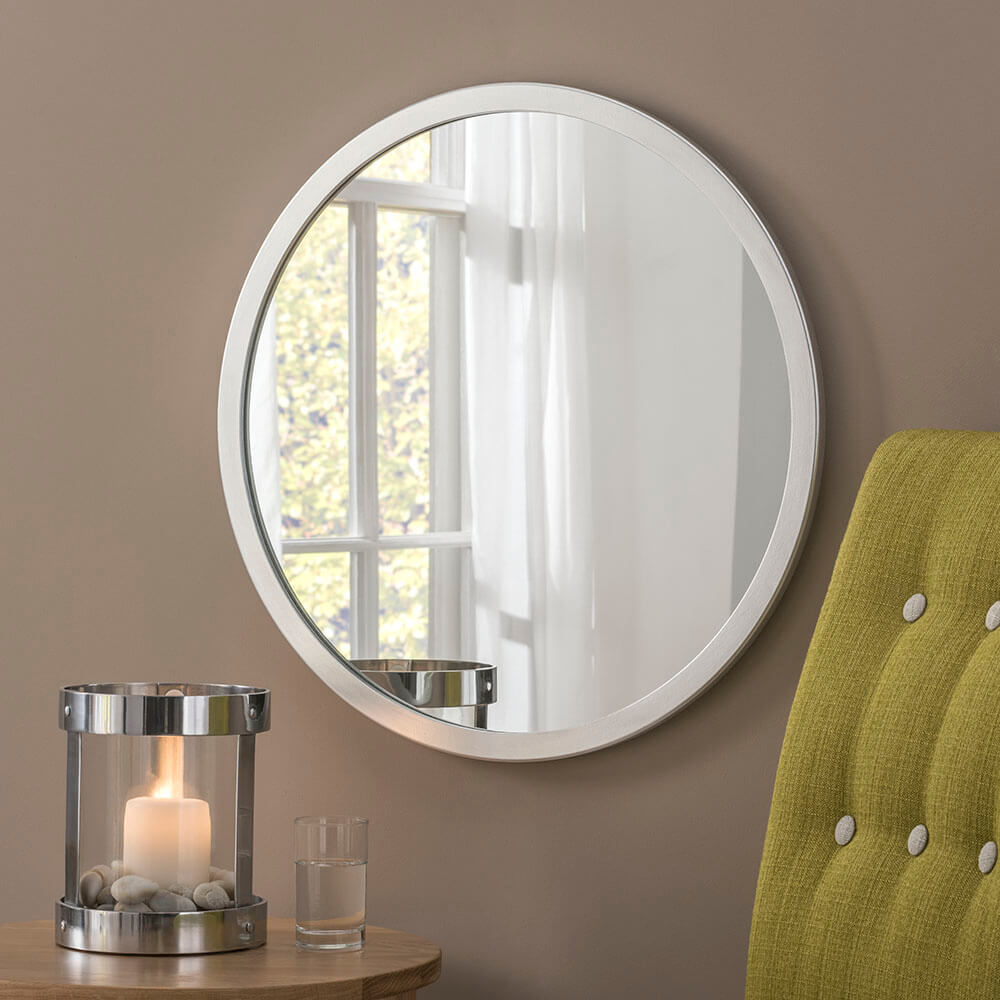
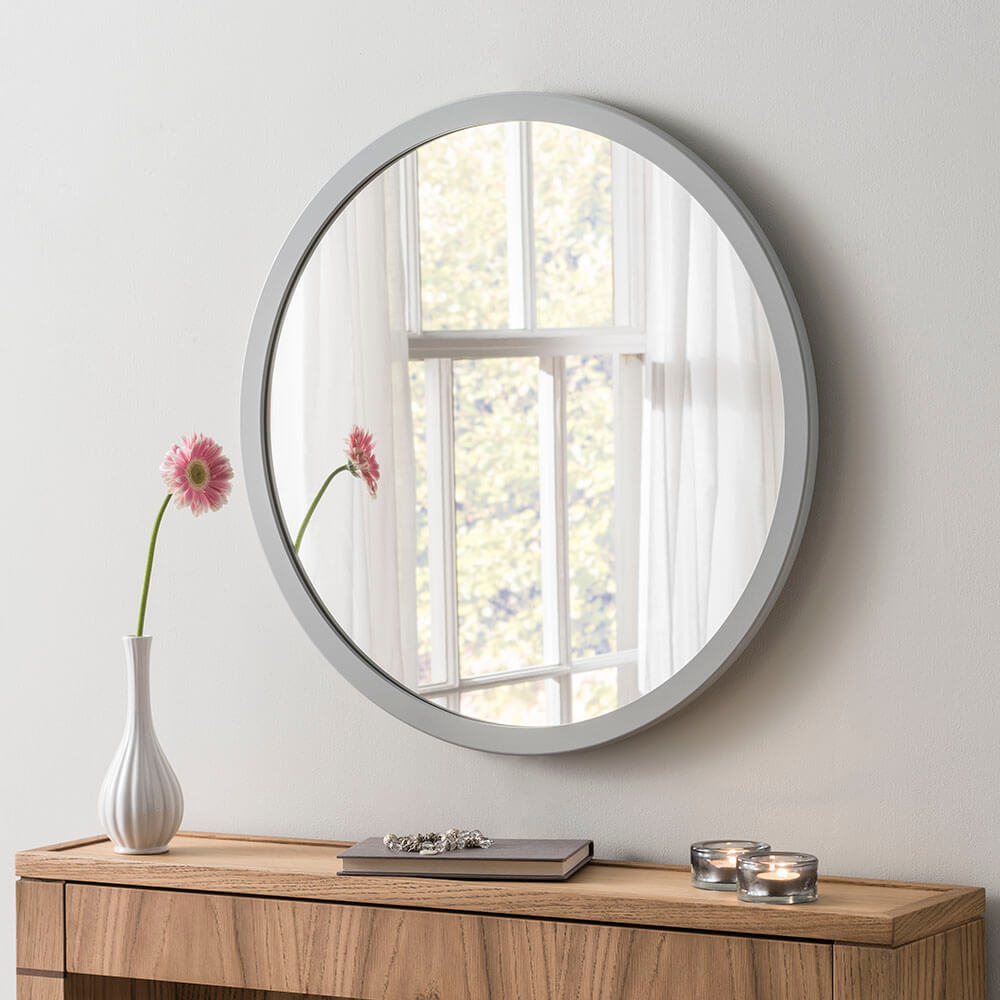
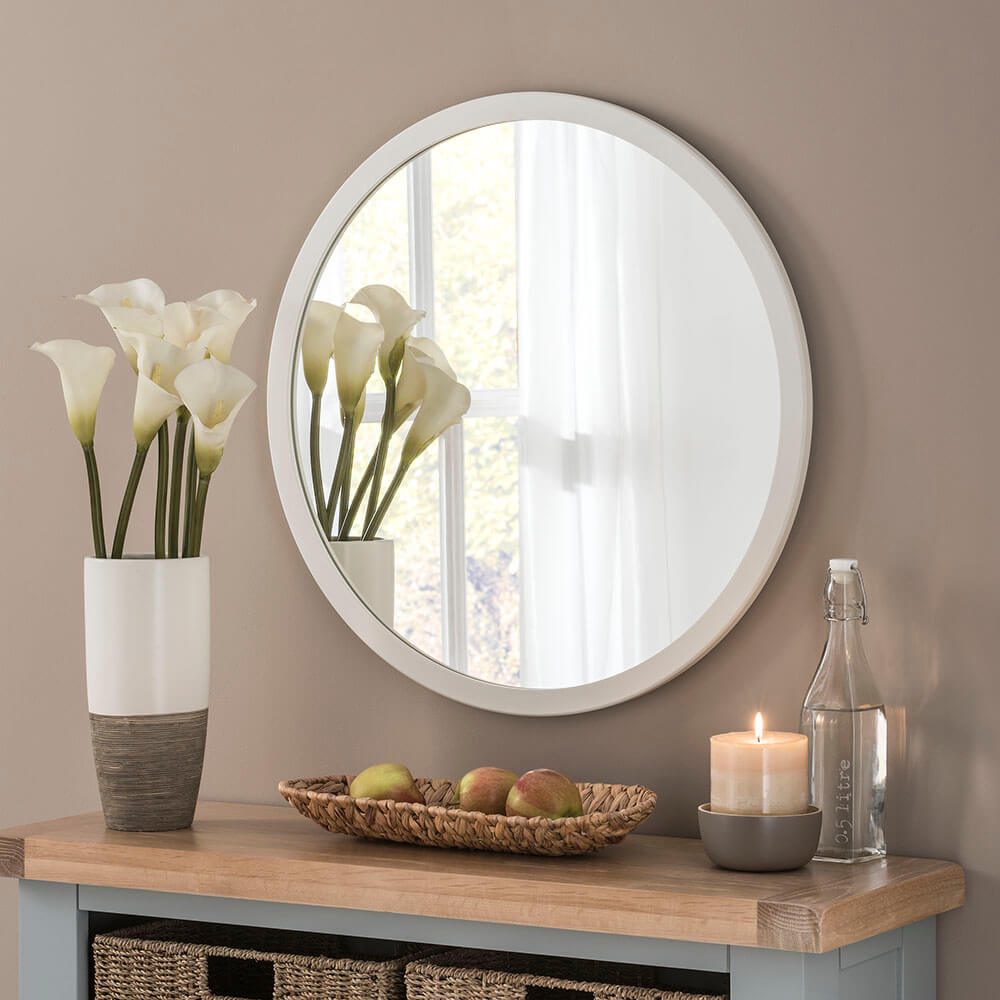



A mirror is not only a practical element of interior design but also a powerful decorative feature that can visually enlarge a space, enhance natural light, and add elegance to any room. To enjoy these benefits for years, proper and stable installation is essential.

In this section, we guide you step by step on how to mount a mirror using hangers. Following this method ensures a secure fit, clean alignment, and, most importantly, household safety especially in busy Irish homes.
What You Will Need?
Before you begin, make sure you have the following tools and materials ready:
-
A mirror with pre-attached or adhesive metal hangers
-
Foam spacers
-
Measuring tape and pencil
-
Spirit level
-
Degreasing agent
-
Soft, clean cloth
-
Drill with a suitable drill bit
-
Wall plugs and hooks
-
Pliers or hammer
Preparing everything in advance will make the installation process smoother and more precise.
Preparing the Mirror for Installation
Start by placing the mirror on a stable, flat surface in the orientation you plan to hang it either vertically or horizontally. This allows you to work accurately and avoid unnecessary handling once the adhesive is applied.
Thoroughly clean the areas where the hangers and foam spacers will be attached. Use a degreasing agent to remove dust, oil, or residue, then dry the surface completely with a soft cloth. A clean, dry surface is essential for strong adhesion and long-term stability.
Installing the Metal Hangers
Carefully remove the protective film from the adhesive backing on the metal hangers. Attach them evenly to the back of the mirror, maintaining a distance of approximately 6 cm from the mirror’s edge.

Ensure the surface is completely dry and grease-free before attaching the hangers. Press firmly to secure them in place.
Important: Adhesive hangers reach full strength only after 24 hours. Do not attempt to hang the mirror before this time has passed.
Attaching the Foam Spacers
Foam spacers help the mirror sit evenly against the wall and prevent pressure points that could lead to damage. Remove the protective foil and attach the spacers to the back of the mirror, again keeping about 6 cm from the edges.
These spacers ensure the mirror adheres smoothly to the wall surface and maintains proper airflow behind the glass.
Marking the Mounting Points on the Wall
Using a measuring tape, measure the distance between the centres of the installed hangers. Transfer these measurements carefully onto the wall using a pencil.
Use a spirit level to confirm that both markings are perfectly aligned. This step is crucial to ensure the mirror hangs straight and looks visually balanced once installed.
Installing Hooks on the Wall
Drill holes at the marked points using a drill bit suitable for your wall type. Take care to avoid hidden electrical wires or plumbing.
Insert wall plugs into the drilled holes, then screw in or gently hammer the hooks into place. Make sure the hooks are firmly secured, as they will support the full weight of the mirror.
Hanging the Mirror
After allowing 24 hours for the adhesive hangers to fully bond, carefully lift the mirror and hang it onto the wall hooks by sliding it down from above.
For larger or heavier mirrors, it’s best to have a second person assist during this step. Once mounted, check that the mirror is secure and properly aligned. Thanks to the foam spacers, it should sit evenly against the wall without visible gaps.
Final Thoughts on Mirror Installation
Mounting a mirror with hangers is not complicated, but it does require careful preparation and precision. By following these steps and allowing sufficient curing time for the adhesive, you ensure that your mirror is installed safely, securely, and beautifully.
A well-mounted mirror not only enhances your interior but also provides long-lasting functionality and peace of mind. Now your space is ready to enjoy a perfectly installed mirror that will elevate your home for years to come.
FAQs
1. What height should I hang on a wall mirror?
Most mirrors look best when the centre sits at eye level, around 145–155 cm from the floor, depending on room function.
2. Can I hang a heavy mirror on plasterboard?
Yes, but only with proper wall anchors or toggle bolts rated for the mirror’s weight.
3. Are LED bathroom mirrors harder to install?
They require more planning due to wiring and weight, but professional installation ensures safety and longevity.
4. How do I know if my mirror needs two pendants?
Large or wide mirrors should always use two pendants to distribute weight evenly and prevent tilting.
5. What mirror frame colours hide fixings best?
Darker frames like black or bronze conceal hardware more effectively than light or frameless designs.
6. Can Mirror Zone mirrors be wall-mounted easily?
Yes. Mirror Zone mirrors are designed with secure mounting systems suitable for Irish homes and renovation standards.

