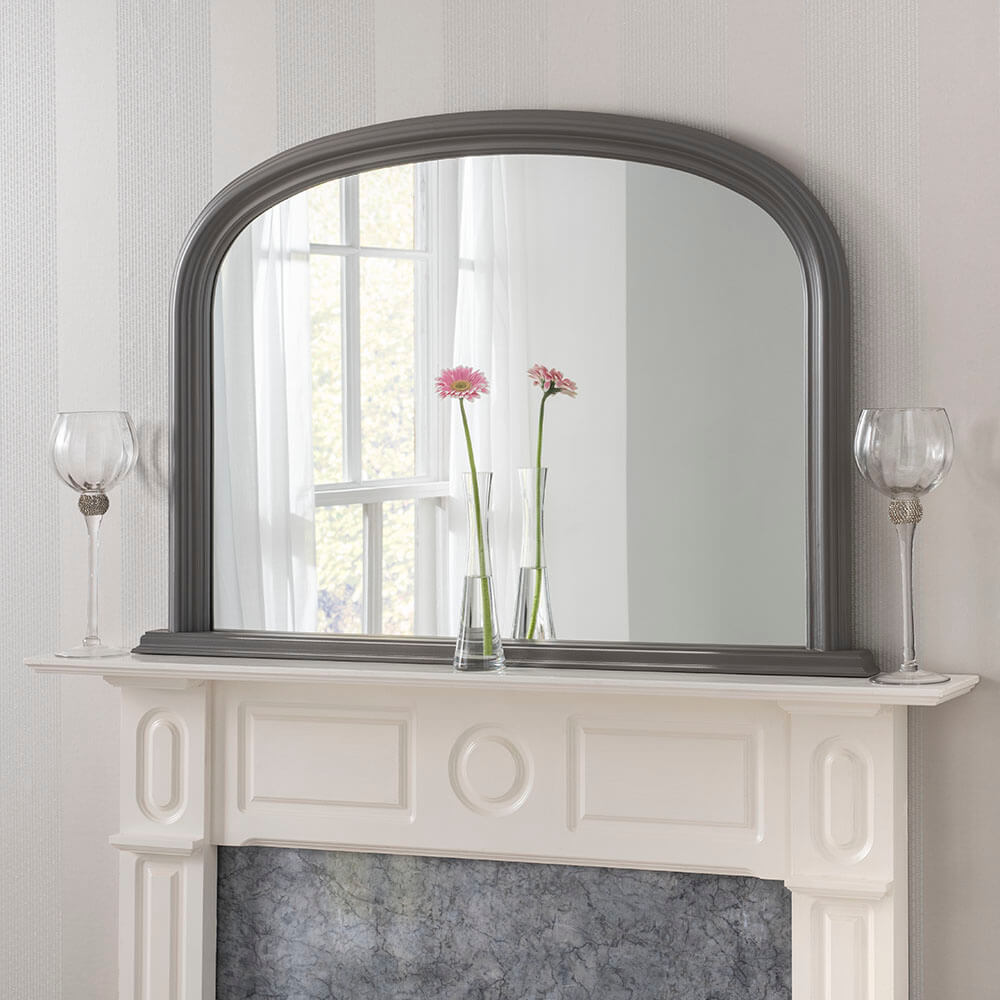
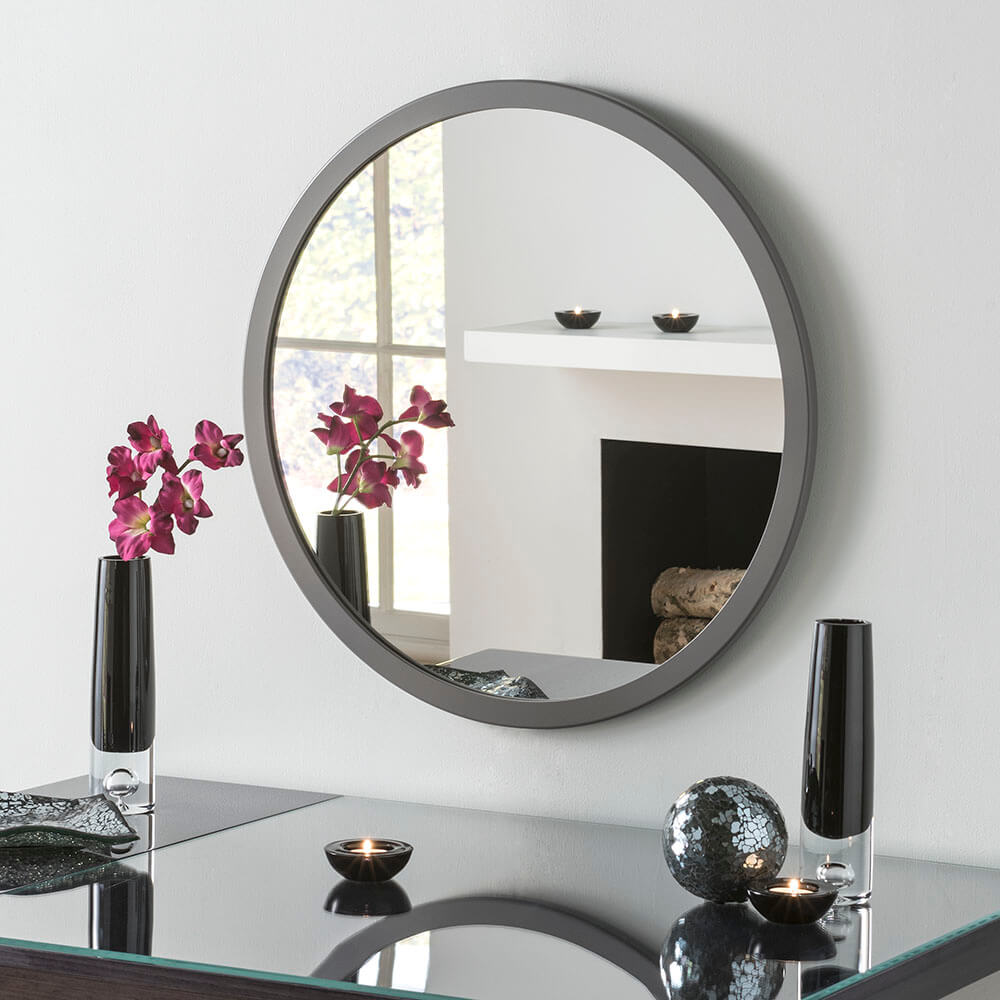
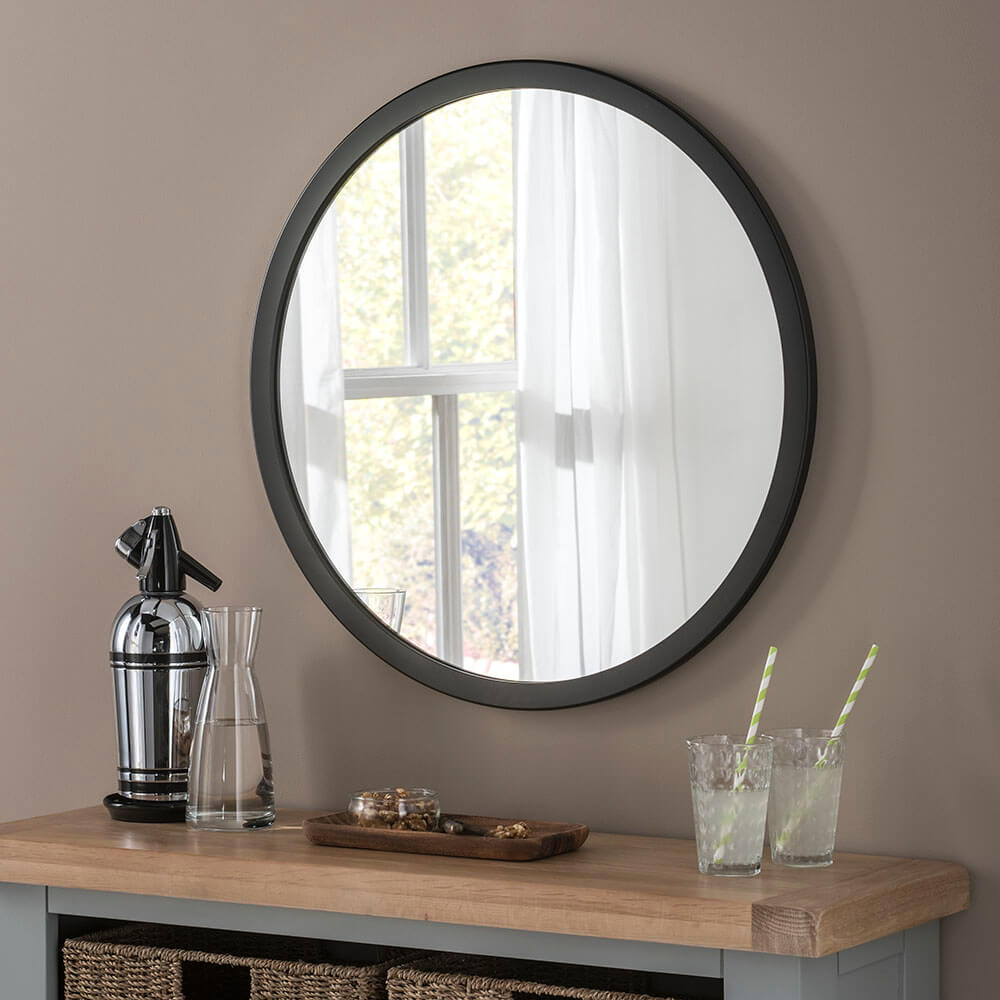
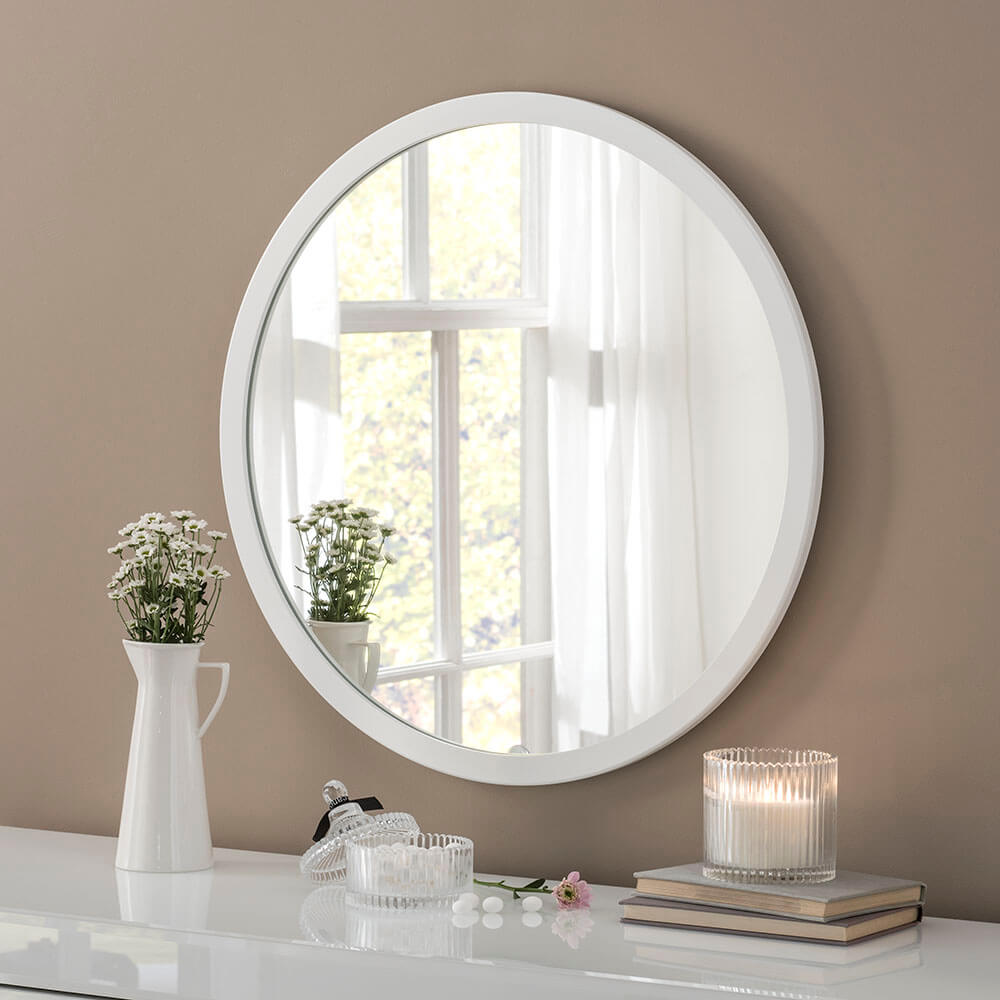
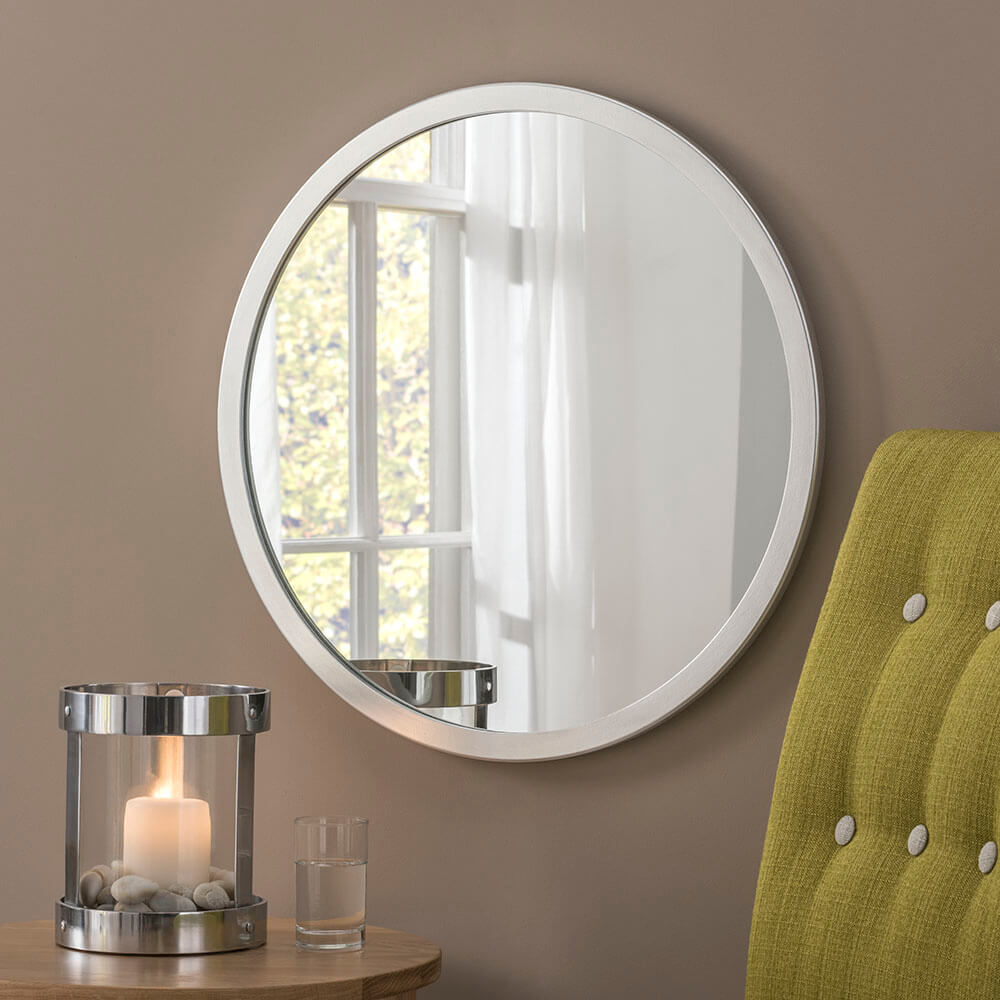
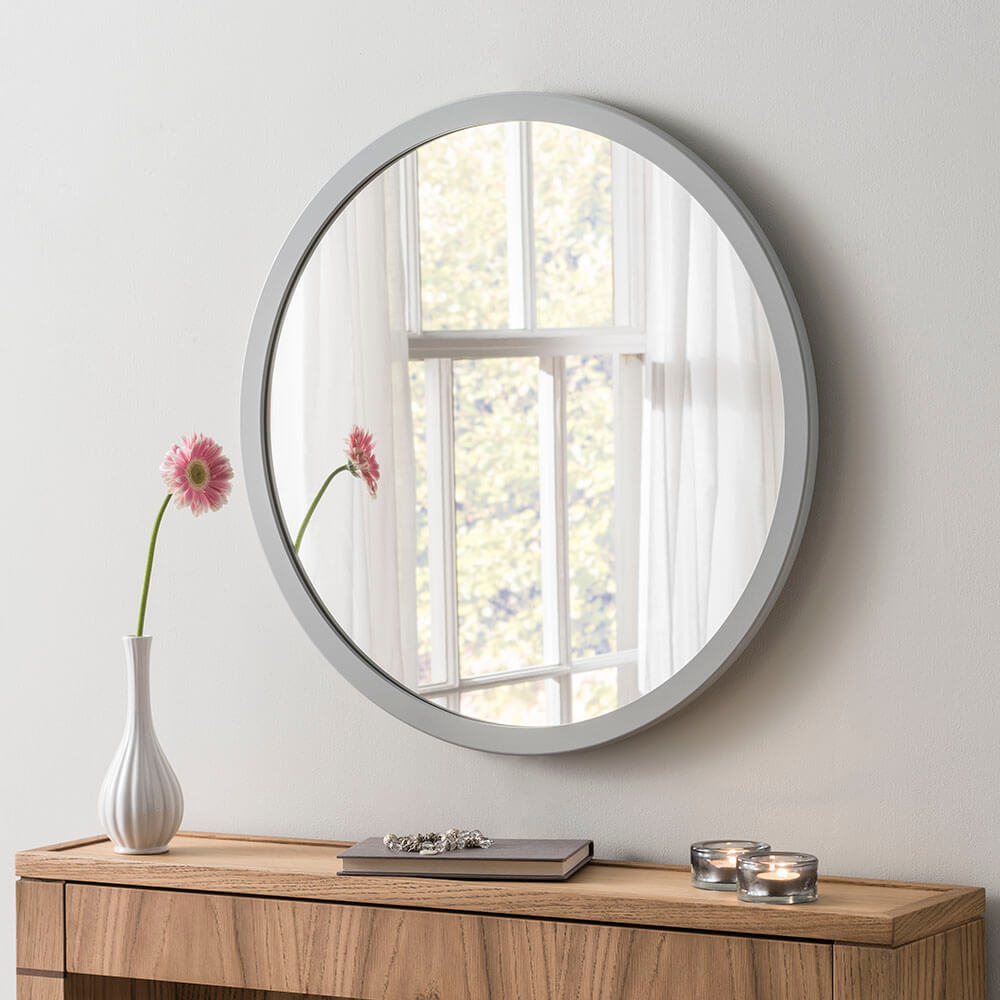
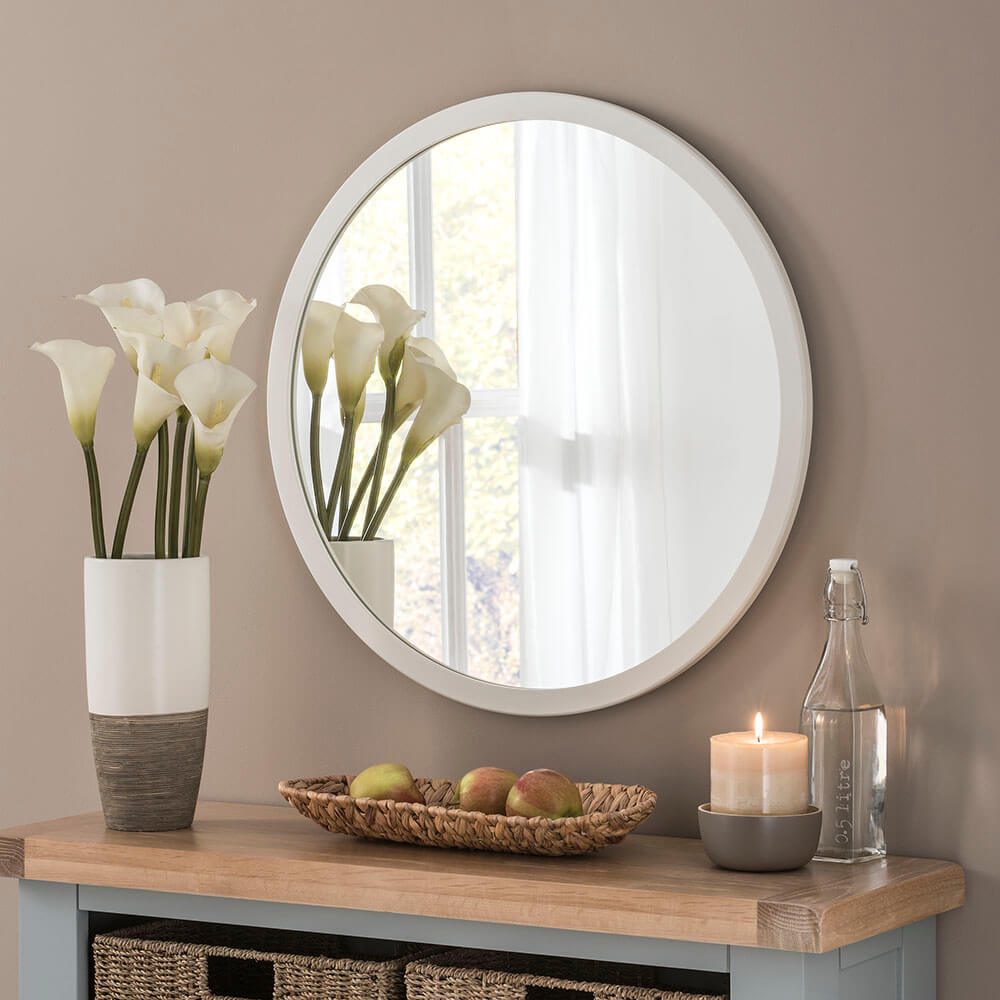



Installing a bathroom mirror on tiled walls can feel risky. One wrong move and you are dealing with cracked tiles, chipped edges, or worse, replacing an entire section of your wall. The good news is that with the right tools and a careful approach, you can mount a bathroom mirror securely without damaging your tiles.
Whether you are fitting small bathroom mirrors in a compact ensuite or positioning a large bathroom mirror as a statement piece, the installation process matters just as much as the design.
Why do tiles crack during bathroom mirror installation
Tiles usually crack for three main reasons:
-
Using the wrong drill bit
-
Applying too much pressure
-
Drilling too fast without cooling
Tiles are brittle. When installing a bathroom mirror, many people treat it like plasterboard. That is where mistakes happen. If you are installing a mirror for bathroom use in an Irish home with ceramic or porcelain tiles, the technique must be precise.

Understanding what sits behind your tiles is equally important. In many bathroom mirrors installations in Ireland, tiles are fixed over plasterboard or cement board. Drilling through both layers correctly ensures your bathroom mirror stays secure long-term.
Tools you need before installing a bathroom mirror
Preparation reduces the risk of cracking tiles and ensures your bathroom mirror is level and stable.
Essential tools
-
Tile drill bit or diamond-tipped bit
-
Drill with variable speed
-
Masking tape
-
Spirit level
-
Pencil or marker
-
Wall plugs suitable for tiled walls
-
Screws recommended by the mirror manufacturer
If you are installing a large bathroom mirror, consider using heavy-duty anchors. Smaller fittings for small bathroom mirrors may not require the same load-bearing support, but always check the weight of your bathroom mirror first.
Step-by-step guide to installing a bathroom mirror on tiles
Step 1: Measure and mark accurately
Use a spirit level to mark where your bathroom mirror will sit. Double-check alignment, especially if installing above a vanity. Uneven placement can ruin the look of even the most premium mirror for bathroom interiors.

Place masking tape over the drill marks. This reduces drill slip and helps protect the tile surface while installing your bathroom mirror.
Step 2: Choose the correct drilling method
Drill slowly and steadily
Switch your drill to a low speed. Do not use hammer mode. Hammer action is one of the main reasons tiles crack during bathroom mirror installation.
Start drilling gently through the tile surface. Let the bit do the work. Excess pressure can fracture the tile before you even mount the bathroom mirror.
For harder porcelain tiles often found in modern bathroom mirrors Ireland designs, a diamond drill bit works best.
Step 3: Insert wall plugs carefully
Once you drill through the tile and into the wall behind it, insert the appropriate wall plug. Tap it in gently. For a large bathroom mirror, ensure the plug sits flush and tight.
This stage is critical. A loose anchor can compromise the stability of your bathroom mirror over time.
Step 4: Mount the bathroom mirror securely
Align your bathroom mirror with the screws and tighten gradually. Do not overtighten. Too much force can create stress on both the tile and the mirror fittings.

If you are installing small bathroom mirrors, the process is similar but typically lighter and quicker. Still, precision matters.
Alternative methods to avoid drilling tiles
Not every bathroom mirror needs screws. Depending on weight and wall condition, you may consider alternative mounting methods.
Adhesive mounting solutions
High-strength construction adhesive can support certain mirrors for bathroom installations. This is especially useful for lightweight, small bathroom mirrors.
However, adhesives are not always suitable for a large bathroom mirror. Weight and humidity levels in bathrooms can affect long-term durability.
Mirror clips and brackets
Clips distribute weight evenly and reduce tile stress. Many bathroom mirrors Ireland suppliers in Ireland recommend bracket systems for added stability, especially when mounting a heavier bathroom mirror.
Common mistakes to avoid
Using hammer mode on tiles
This almost guarantees cracked tiles. When installing a bathroom mirror, always switch off hammer action.
Skipping measurements
An uneven bathroom mirror is difficult to ignore. Always measure twice before drilling.
Ignoring mirror weight
A large bathroom mirror requires stronger fixings than a small bathroom mirror. Always match your hardware to the weight of your bathroom mirror.
Choosing the right bathroom mirror for easier installation
Installation difficulty often depends on design and weight. Frameless designs are typically lighter. Backlit options may require electrical access, which adds another layer of complexity to installing your bathroom mirror.
At MirrorZone, we often advise customers to consider both aesthetics and practicality. Whether you are browsing bathroom mirrors Ireland collections or upgrading to a statement piece, think about how the bathroom mirror will be mounted before purchasing.
If you are unsure about wall strength or tile condition, professional installation is always a safe option. A properly installed bathroom mirror not only looks better but also lasts longer.
Final thoughts
Installing a bathroom mirror on tiles without cracking them is entirely possible with the right approach. The key is patience, proper tools, and controlled drilling. From lightweight mirrors for bathroom setups to bold, large bathroom mirror designs, the same principles apply.
Take your time, respect the tile surface, and plan your fixing points carefully. Whether upgrading with small bathroom mirrors or investing in premium bathroom mirrors, careful installation ensures your bathroom mirror becomes a lasting feature rather than a repair project.
For high-quality designs and expert advice, MirrorZone offers options that combine style with practical mounting solutions, making your next bathroom mirror installation smooth and stress-free.

